Recently, a student asked this question, clearly in reference to the many reports we hear these days of horrid things happening to people in the world today. I've wrestled with this for a long time, and found myself going beyond my usual answer, so I thought I'd share here what came out of my mouth in response :)
I grew up being told and believing that to be compassionate was: "Oh, those poor people, how horrible for them!" That, however, was actually a form of pity. It placed me outside and above the experience of others, and made me quite uncomfortable.
As I became an adult, I realized that pity is useless. In the world of Buddhists, Christian ministers, and social workers that I was working in, compassion became a sense of "there but for Grace go I" combined with a call to action: see someone suffering; do what you can to fix it.
That form of compassion, though, required barriers and boundaries. I was no longer outside the situation and I couldn't actually "suffer with" (the literal meaning of com - from the Latin cum, with - and passion - from the Latin passio, endure/suffer) if I was going to fix the problem. I didn't have the kind of boundaries that would let me deal with people in great distress without becoming distressed with them, which, as I told my student, was why I chose not to work in "Skid Row" when I was doing community development.
As I sat there saying these things, the following words happened:
"Compassion is dropping the barriers we've built against others so we see them as they truly are, regardless of the circumstances they are in, and as we do so, seeing the circumstances replaced with what the person is ready to experience."
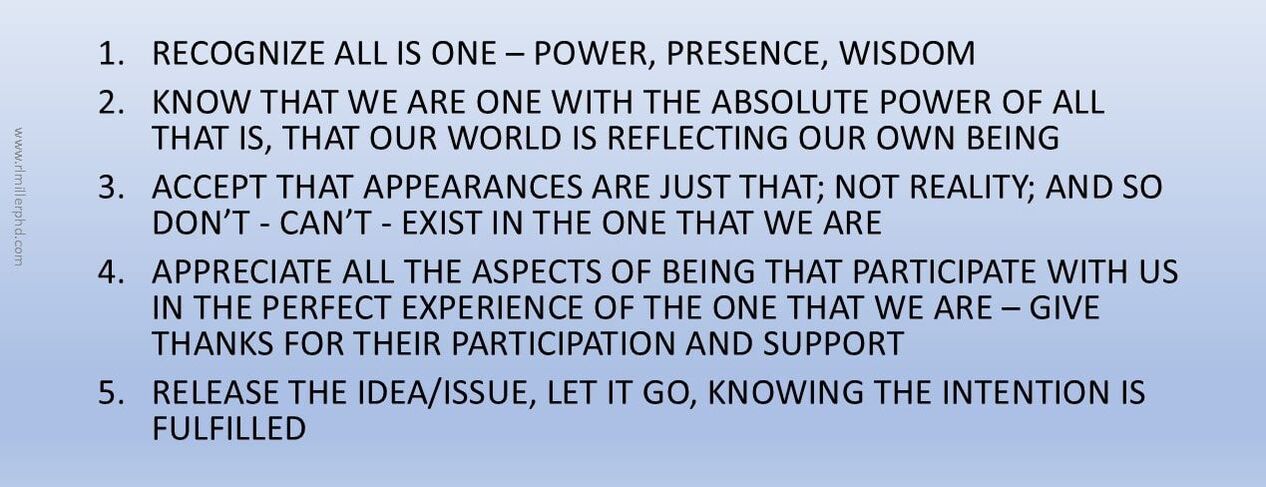
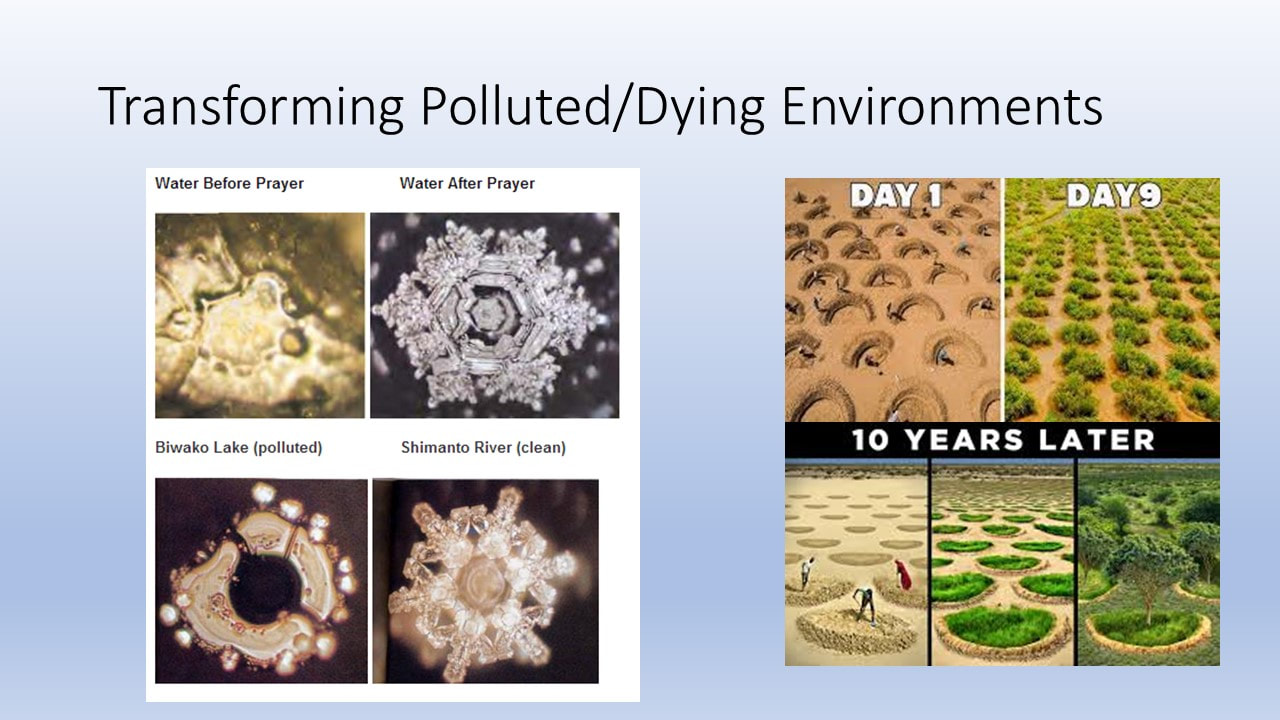
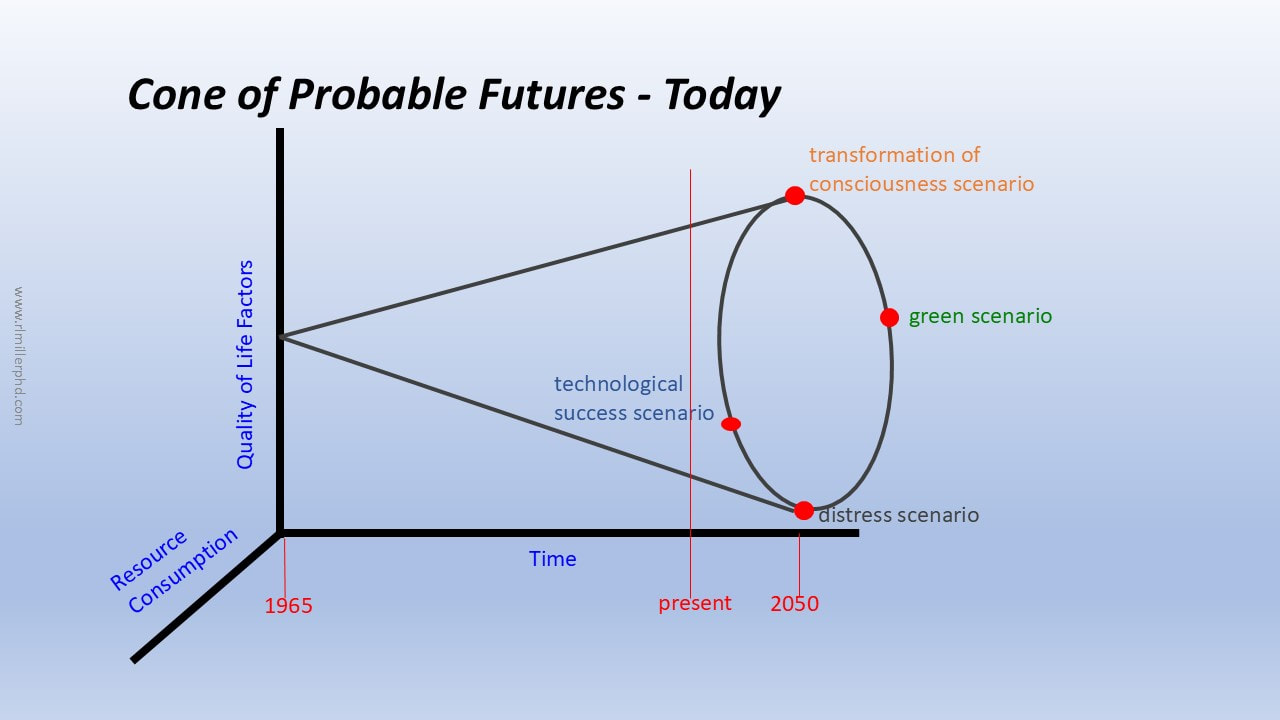
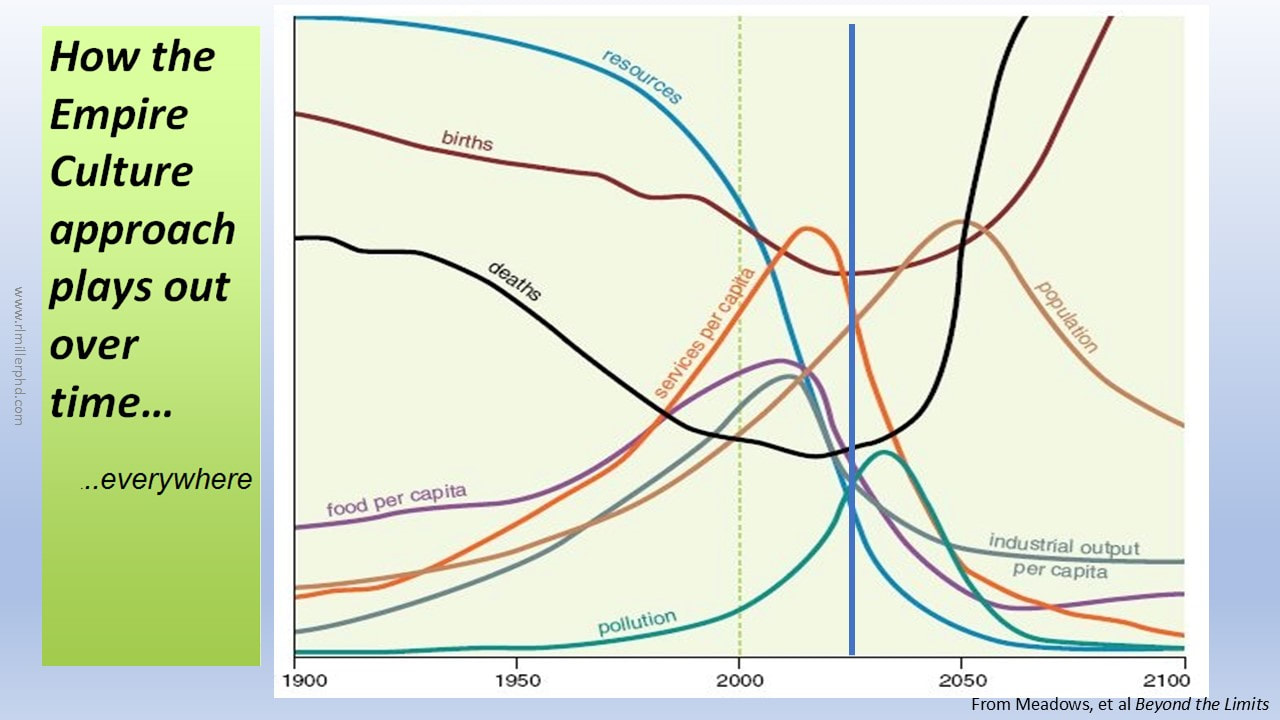
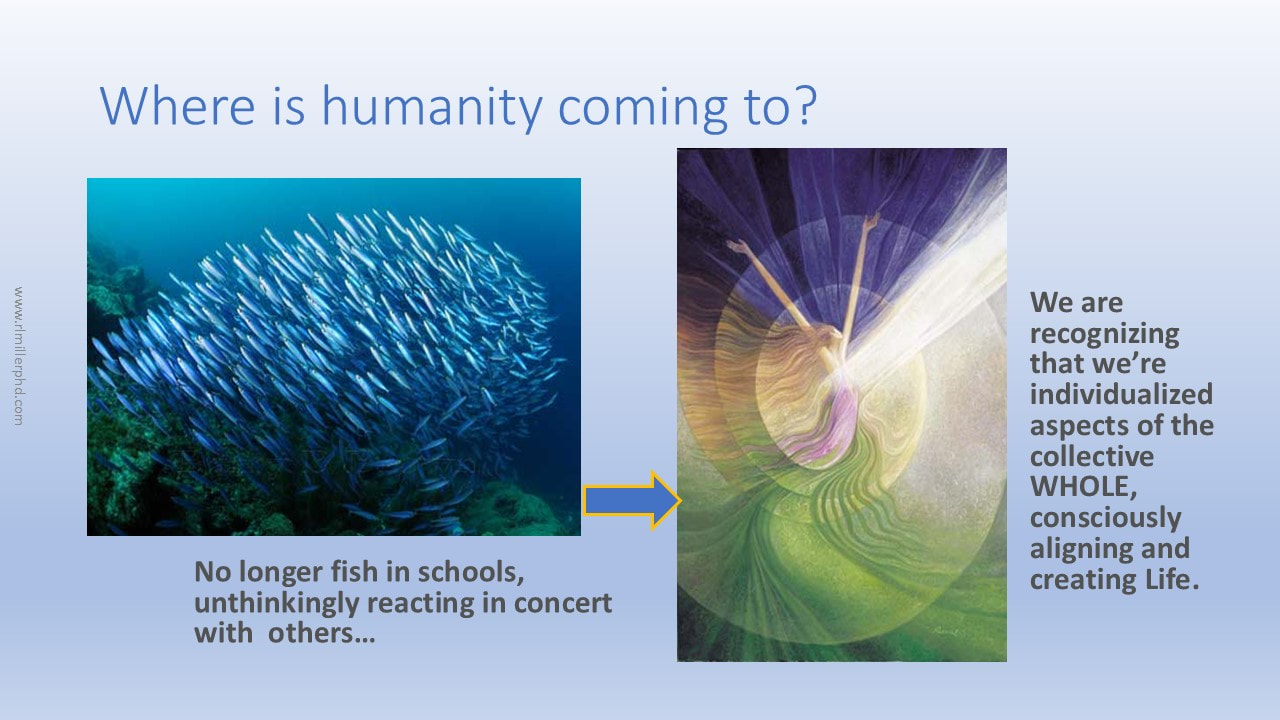
Effectively, then, the highest form of compassion is to engage in a Spiritual Mind Treatment, as outlined in this slide from last night's presentation:
I grew up being told and believing that to be compassionate was: "Oh, those poor people, how horrible for them!" That, however, was actually a form of pity. It placed me outside and above the experience of others, and made me quite uncomfortable.
As I became an adult, I realized that pity is useless. In the world of Buddhists, Christian ministers, and social workers that I was working in, compassion became a sense of "there but for Grace go I" combined with a call to action: see someone suffering; do what you can to fix it.
That form of compassion, though, required barriers and boundaries. I was no longer outside the situation and I couldn't actually "suffer with" (the literal meaning of com - from the Latin cum, with - and passion - from the Latin passio, endure/suffer) if I was going to fix the problem. I didn't have the kind of boundaries that would let me deal with people in great distress without becoming distressed with them, which, as I told my student, was why I chose not to work in "Skid Row" when I was doing community development.
As I sat there saying these things, the following words happened:
"Compassion is dropping the barriers we've built against others so we see them as they truly are, regardless of the circumstances they are in, and as we do so, seeing the circumstances replaced with what the person is ready to experience."
Effectively, then, the highest form of compassion is to engage in a Spiritual Mind Treatment, as outlined in this slide from last night's presentation:




 RSS Feed